The Evolution of Cinema: From Silent Films to Streaming Platforms
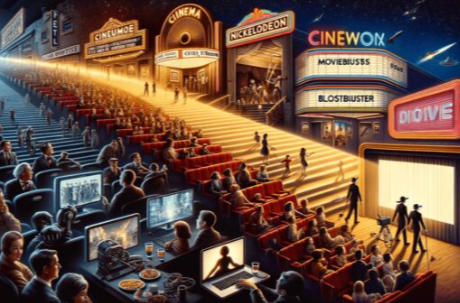
The evolution of cinema mirrors the technological advancements of society. Silent films established foundational storytelling techniques, while the introduction of sound and color transformed audience experiences. The digital revolution democratized filmmaking, enabling a broader range of voices. Today, streaming platforms dominate, altering how viewers engage with content. This shift raises questions about the future of cinema and its cultural implications. What new narratives and experiences await as this landscape continues to evolve?
The Birth of Cinema: Silent Films and Their Impact
Although the advent of cinema in the late 19th century marked a revolutionary shift in entertainment, silent films served as the foundational bedrock upon which the entire industry was built.
These films utilized innovative film techniques, such as expressive body language and visual storytelling, to convey complex narratives without spoken dialogue. This unique approach fostered a profound level of audience engagement, as viewers were invited to interpret emotions and motivations through imagery alone.
Silent films transcended language barriers, creating a universal experience that ultimately laid the groundwork for future cinematic expressions.
The artistry and creativity embedded in this era fueled a desire for freedom in storytelling, influencing generations of filmmakers to explore the limitless possibilities of visual narrative long after the last silent frame faded from the screen.
Read more: Top Movie Genres Explained: What Makes Each One Unique?
The Advent of Sound: How Talkies Changed the Landscape
How did the introduction of synchronized sound revolutionize the cinematic experience? The advent of talkies marked a profound sound innovation, transforming silent narratives into vibrant auditory experiences.
This shift significantly enhanced audience engagement, allowing viewers to connect more deeply with characters and stories. However, filmmakers faced new challenges; the need for dialogue and sound design demanded a different set of skills, altering the creative landscape.
Cultural shifts emerged as diverse voices and musical elements entered the mainstream, reflecting societal dynamics and fostering inclusivity. The integration of sound not only enriched storytelling but also redefined cinema’s role as a cultural artifact, paving the way for future innovations.
Ultimately, talkies elevated film from mere visual spectacle to a multifaceted form of artistic expression.
Color Comes to Life: The Technicolor Revolution
The introduction of synchronized sound set the stage for subsequent innovations in cinema, with color emerging as a transformative force that captivated audiences and expanded the medium’s storytelling potential.
The Technicolor revolution, characterized by its groundbreaking techniques, not only enhanced visual appeal but also allowed filmmakers to infuse emotional depth into narratives. By harnessing vivid hues, directors could manipulate mood and atmosphere, elevating cinematic artistry to new heights.
Films like “The Wizard of Oz” demonstrated color’s ability to create immersive worlds, enchanting viewers and inviting them to experience stories more intimately.
As color film became a standard, it liberated filmmakers from the constraints of monochrome, paving the way for bold expressions and imaginative storytelling that resonate with the quest for creative freedom in cinema.
The Digital Age: Transition to Digital Formats
As filmmakers embraced the digital revolution, the transition to digital formats fundamentally reshaped the landscape of cinema, offering unprecedented opportunities for creativity and accessibility.
Digital distribution allowed independent creators to bypass traditional gatekeepers, democratizing the filmmaking process and fostering a diverse array of voices.
However, this shift also introduced preservation challenges; the ephemeral nature of digital media raises concerns about the long-term viability of cinematic legacies.
Unlike physical film, digital formats require continual updates to remain accessible, risking the loss of cultural artifacts unless proactively preserved.
Ultimately, while the digital age has enhanced freedom and expression, it also demands a vigilant approach to safeguarding the future of cinema, ensuring that artistic visions endure amidst the rapid technological evolution.
Streaming Services: The New Era of Film Consumption
Emerging from the digital revolution, streaming services have redefined how audiences consume film, transforming viewing habits and access to content.
Subscription models empower users to enjoy vast libraries of films at their convenience, enhancing the user experience with seamless interfaces and personalized recommendations. This shift has fostered unprecedented content diversity, allowing niche genres and original programming to thrive.
Global accessibility ensures that films from various cultures are just a click away, breaking geographical barriers. Furthermore, the phenomenon of binge watching has revolutionized storytelling, enabling viewers to immerse themselves in narratives uninterrupted.
As social engagement grows through shared viewing experiences and online discussions, streaming services represent a liberating force in film consumption, aligning with the modern desire for choice and flexibility.
Conclusion
The evolution of cinema mirrors the passage of time, with each technological advancement symbolizing a new chapter in storytelling. From the silent flickers of early films, representing innocence and raw imagination, to the vibrant hues of Technicolor that breathe life into narratives, cinema has continually transformed. As streaming platforms emerge as the modern projector, casting a wider net for global audiences, they signify not just change, but a profound reimagining of how stories are shared and experienced in an interconnected world.